Contents
In the last few months, "AI agent" has become the buzzword in every technology conversation. The promise is that an agent can run your customer support, close sales, organize your internal operations, and make decisions for you. The reality is more nuanced.
A well-implemented AI agent can save hours of repetitive work every week. A poorly implemented one can create costly mistakes, made-up answers sent to customers, or processes nobody is watching until something breaks. The difference is not the technology itself — it is where and how it gets applied.
This article is not a promise that AI will solve everything. It is an honest guide to what tasks an AI agent can genuinely take on inside a business today, which ones still need constant human oversight, and how to decide whether it makes sense for your company right now.
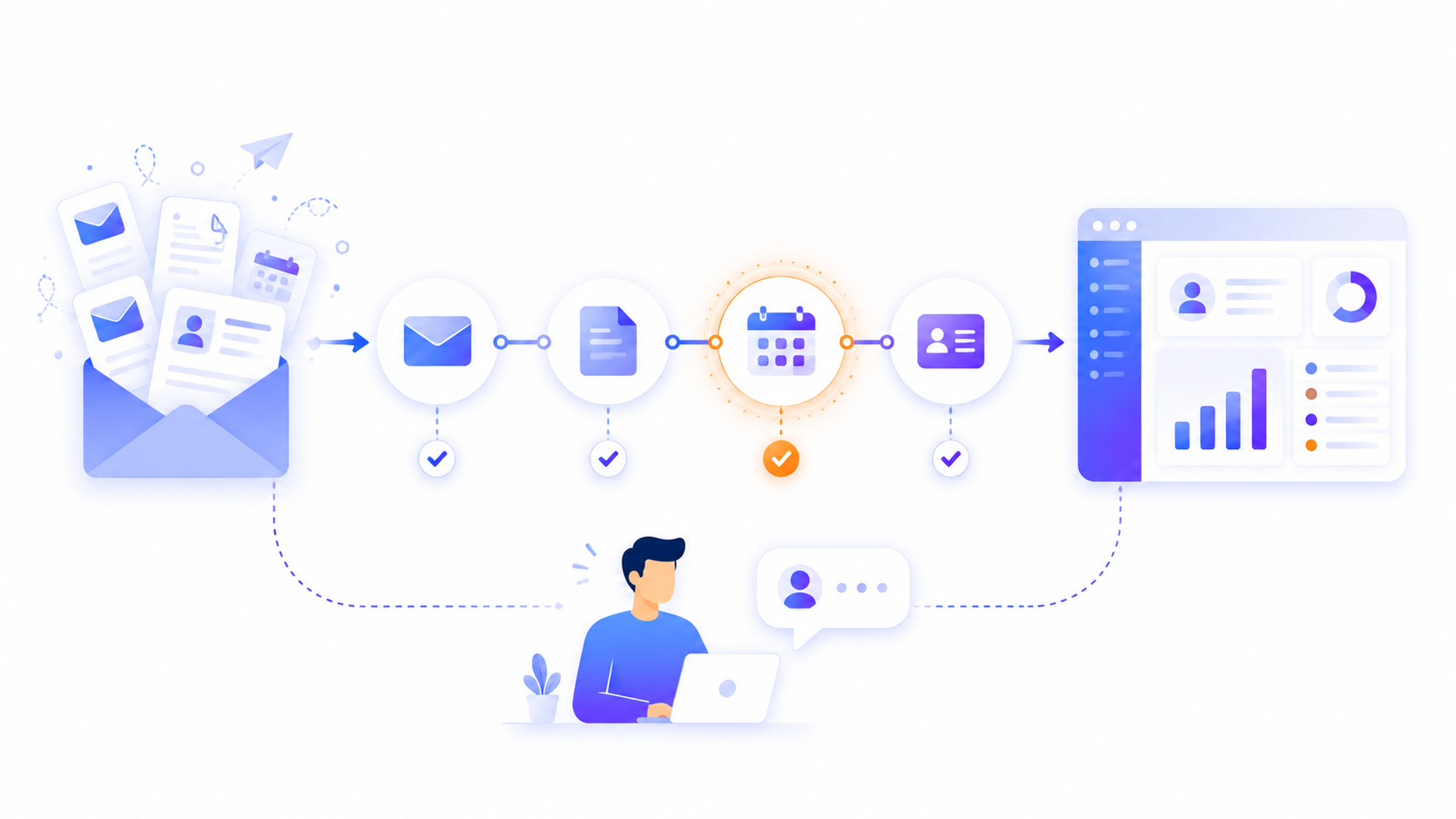
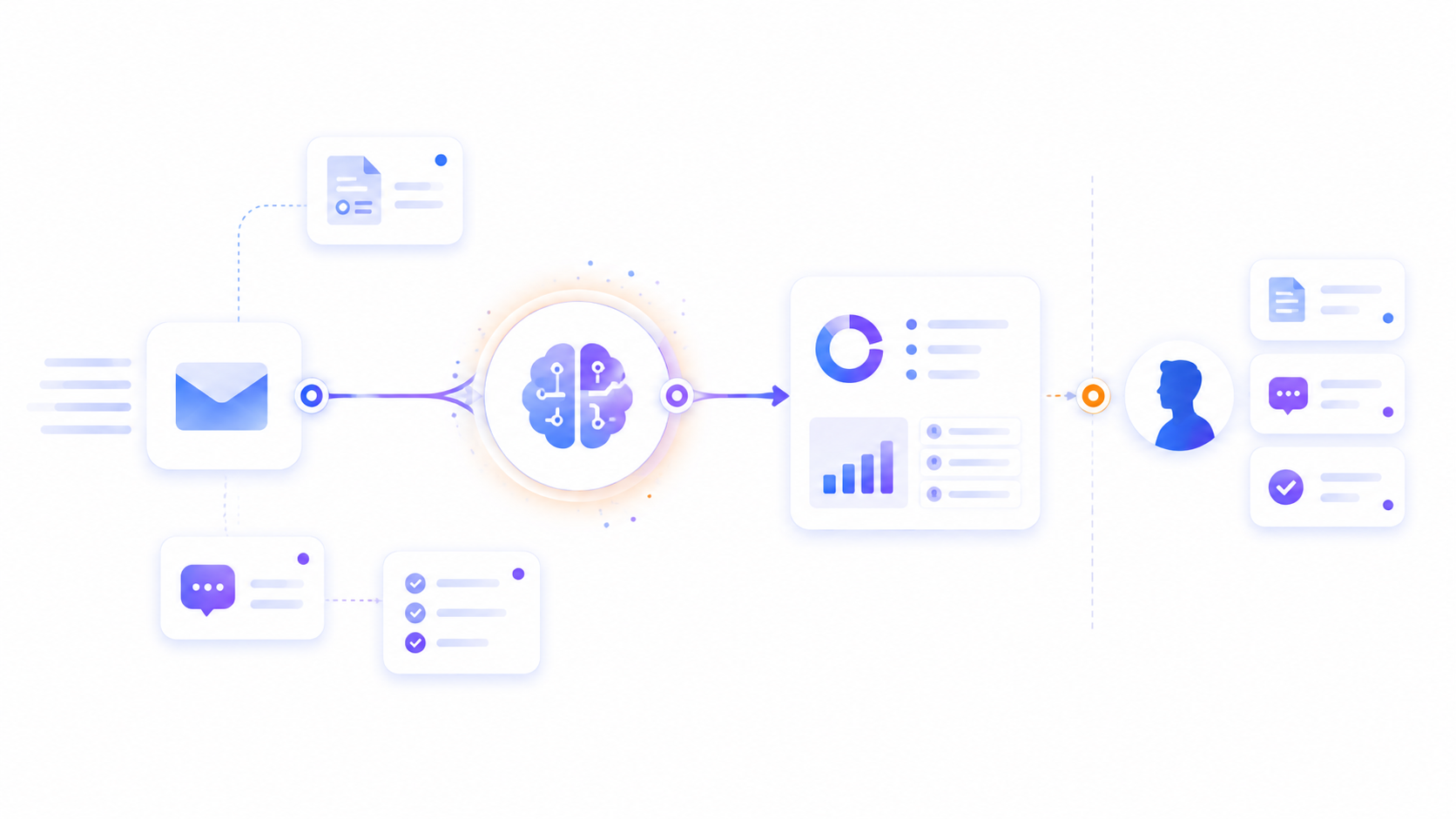
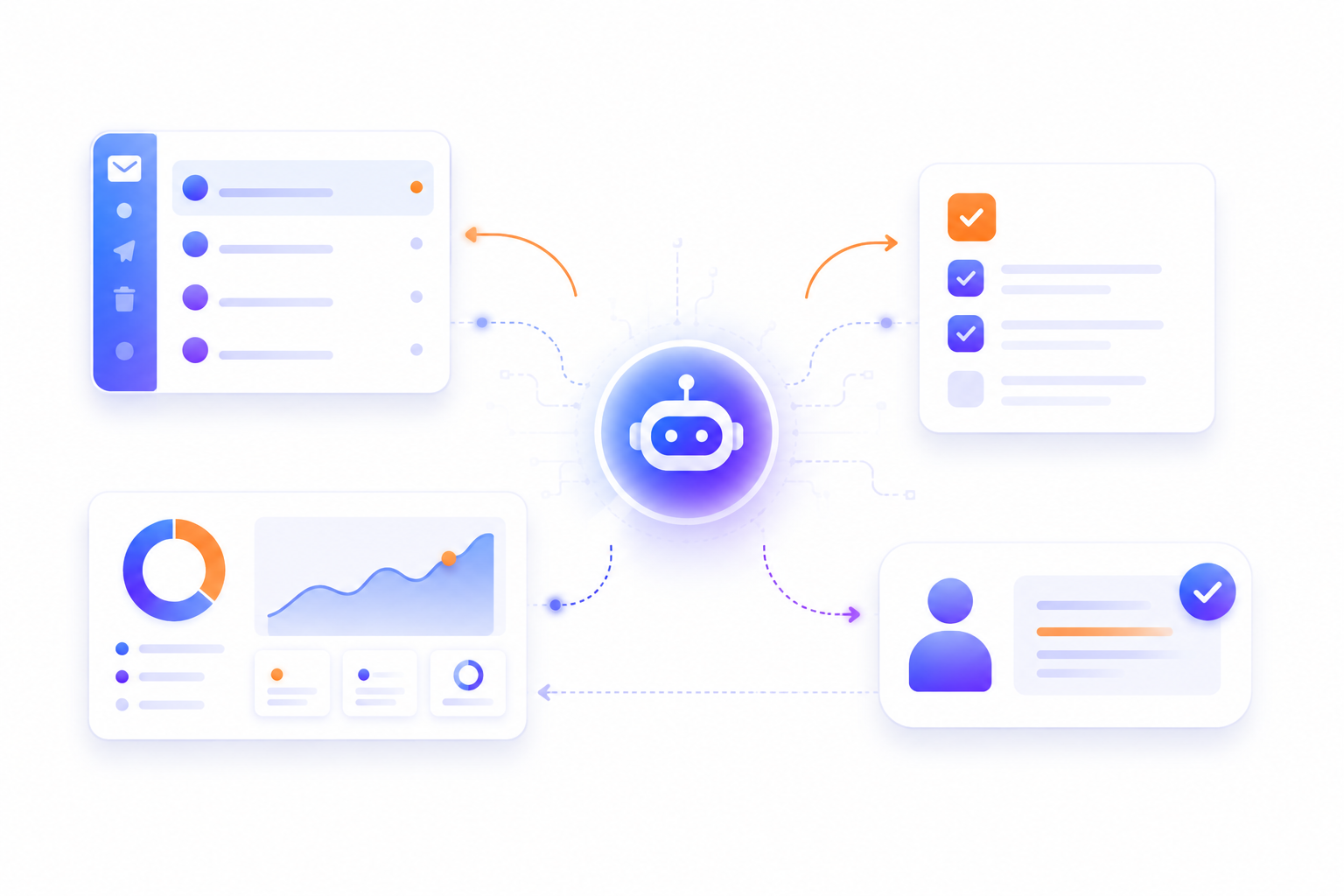
A traditional chatbot answers questions following a script or a decision tree. An AI agent goes a step further: it can interpret a request, decide which steps to take, use external tools (databases, APIs, email, calendars) and execute a full task without a person giving every instruction one by one.
The key difference is autonomy within a defined framework. An AI agent does not "think" like a person, but it can chain actions together: read an email, check an order's status in your system, draft a reply and, if it has permission, send it or leave it ready for review.
That is what makes it useful for repetitive business processes — and also what makes it something you need to design carefully. The more actions it can execute on its own, the bigger the impact of a mistake if the system is not properly scoped.
With today's technology, there are tasks where an AI agent already delivers real, measurable value:
First-line customer support: answering common questions, checking order or appointment status, and escalating to a person when the case requires it.
Sorting and triaging emails or tickets: identifying what each message is about and routing it to the right team or process without manual work.
Extracting and structuring data: reading invoices, forms, or documents and loading the information into your system without anyone typing it in by hand.
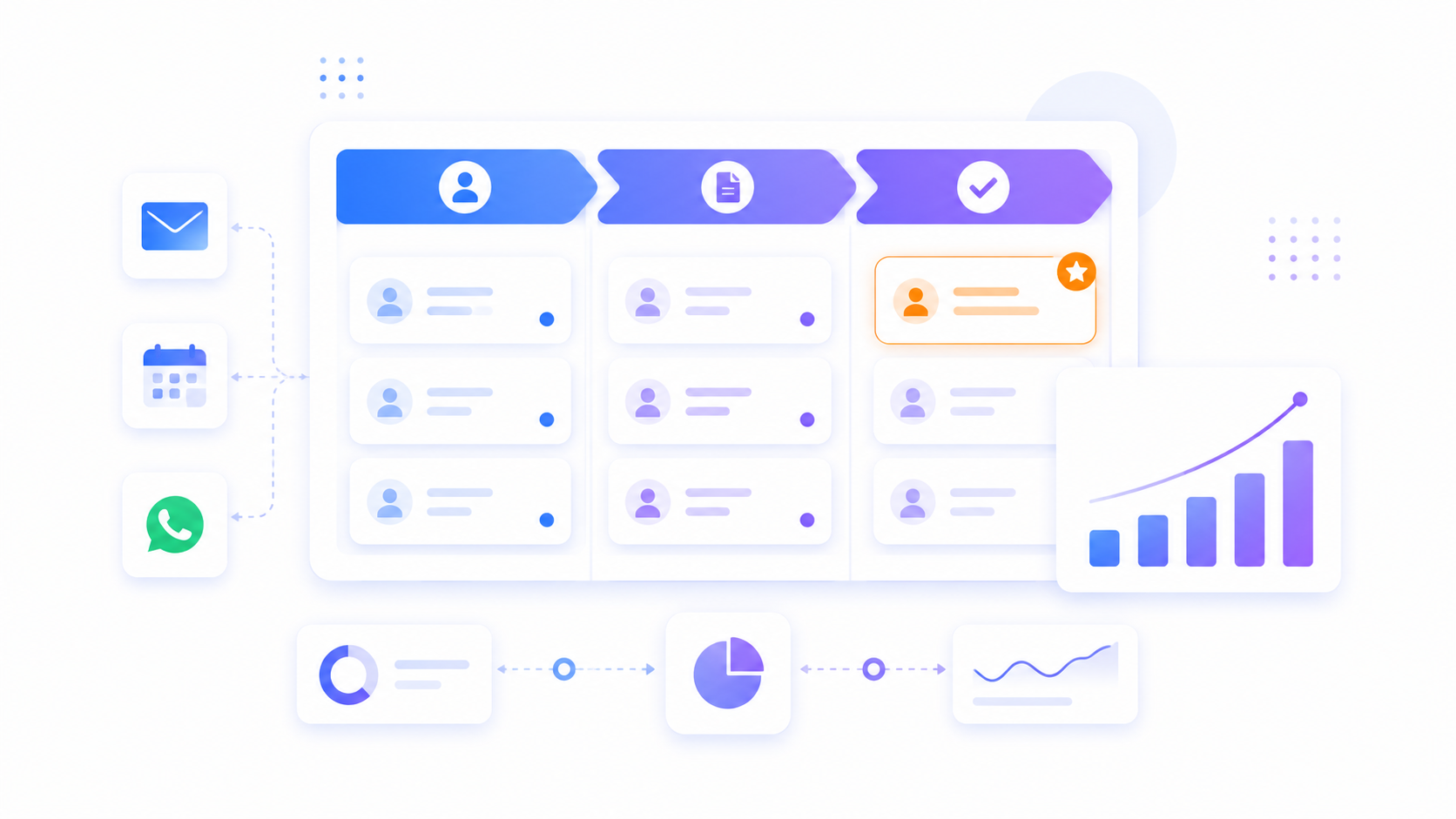
Basic sales follow-up: sending reminders, qualifying leads against defined criteria, and alerting the sales team when a contact is ready.
Generating recurring reports: pulling data from different sources and producing a periodic summary without manual work every week.
Automating administrative tasks: scheduling appointments, updating records, generating documents from templates.
A common pattern in these cases: the task is well defined, repetitive, and the cost of an occasional mistake is low. That is where an AI agent performs best and fastest.
Concrete examples we see in real projects: a services company cutting response times by combining AI with its ticketing system, or an accounting firm digitizing invoice entry and removing hours of manual work every week.
This is where it pays to be especially honest, because it is where most companies end up disappointed:
Making critical decisions without oversight: negotiating a contract, approving a large refund, or deciding on a legal case should not sit with an agent without human review.
Handling ambiguous or off-script situations reliably: an agent can fail silently on a case it has not seen before, and it does not always flag it clearly.
Replacing business judgment: it can execute rules, but it does not understand the full context of a customer relationship the way a team member does.
Guaranteeing one hundred percent accuracy: there is still room for error, especially with incomplete or poorly structured data.
Working well without a clear process behind it: an AI agent does not fix a messy process, it automates it exactly as it is, mistakes included.
None of this means the technology is not useful. It means the system needs to be designed with checkpoints, not handed entire processes at once with no supervision.
Before investing in a project like this, it is worth asking a few questions:
Is the process you want to automate well defined and documented, or does it still change depending on who does it?
Is the cost of an occasional mistake acceptable, or could it create a serious problem with a customer?
Are your data and systems connected in a way an agent could actually access, or are they still scattered across spreadsheets?
Is there someone on the team who can supervise and correct the system during the first few weeks?
If you answer yes to most of these, that is a sign the project has a solid foundation to start from. If the process is still chaotic or keeps changing, the first step is not AI — it is fixing the process.
We see the same mistakes repeat across different industries:
Automating a poorly defined process and hoping the AI will fix it along the way.
Giving the agent too much autonomy from day one, with no supervision period.
Not defining what happens when the agent does not know what to do (the classic "edge case").
Measuring success by the technology alone, without first defining the business outcome you actually want.
Choosing the tool before the problem you want to solve is even clear.
Every one of these mistakes is avoidable with an upfront analysis phase — something that often gets skipped under time pressure.
The safest way to bring AI agents into a company is with a small, well-scoped pilot, not a full rollout on day one.
A practical approach:
Pick a specific, repetitive process with low risk if something goes wrong.
Clearly define what the agent can decide on its own and what must always go through a person.
Measure results for a few weeks before expanding the scope.
Gradually hand the system more autonomy as it proves reliable.
This staged approach captures the real value of automation without exposing critical processes to mistakes that can still happen.
AI agents are already useful today for repetitive, well-defined tasks with a low cost of error: basic customer support, ticket triage, data extraction, recurring reports, or sales follow-up. They are not yet reliable for critical decisions, ambiguous situations, or processes that are not even well defined internally.
The question is not whether your company should have an AI agent. It is which specific process makes sense to automate first, within what limits, and who supervises it while the system proves it works.
Tell us which process you'd like to automate and we'll tell you honestly if it's worth building.
A chatbot follows a fixed script of questions and answers. An AI agent can interpret a request, decide which steps to take, and execute complete actions using external tools, such as databases or email systems, without a person specifying every step.
It works well today for repetitive, well-defined tasks: basic customer support, ticket or email triage, data extraction from documents, sales follow-up, and recurring report generation.
Not for critical decisions. It's best to clearly define what the agent can decide on its own and what must always go through a person, especially during the first months of use.
It depends on the scope and complexity of the process. Simple automations can start from a few hundred euros, while more complex systems with several integrations can require several thousand. It's best to start with a scoped pilot before investing in something bigger.
If the process you want to automate is well documented, the cost of an occasional mistake is low, and you have someone who can supervise the system during the first few weeks, that's a good sign to start.
Our clients' satisfaction is our best introduction.
"Tengo un negocio de Paquetería, en el que vienen muchas personas diariamente, tanto para recoger como para dejar paquetes. Llevábamos años gestionando muchos de nuestros procesos de paquetería de forma manual, y gracias a Blimbur Technologies hemos dado un salto enorme. Nos desarrollaron una app móvil y una web totalmente adaptadas a nuestro flujo de trabajo, con las que ahora tenemos todo automatizado, trazable y mucho más rápido. Ahora, el cliente sabe si tenemos el paquete y al estar todo mucho más organizado, es mucho más rápido y ágil, lo que hace que los clientes vengan y se vayan con otra cara y sin esperas. El trato ha sido impecable y el resultado, todavía mejor. Un equipo serio, técnico y que se implica de verdad."